
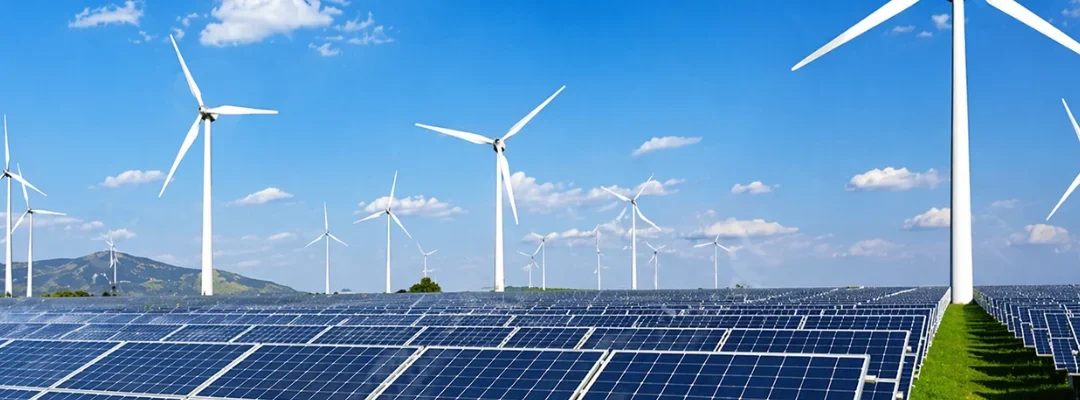
When people ask about the cost of a solar and wind hybrid system, the most common expectation is a simple answer—“price per kilowatt.” But in reality, hybrid system pricing is far more complex.
At Synergy Wind Systems, we’ve worked on projects where two systems with the same capacity had completely different costs. The reason is simple: cost is not driven by equipment alone—it is shaped by design decisions, site conditions, and long-term performance goals.
This guide explains what actually influences the total cost of a hybrid project so you can plan smarter and avoid unnecessary expenses.
Why Hybrid System Cost Is Not Just About Capacity
Unlike standard solar systems, hybrid setups involve multiple components working together:
- Solar panels
- Wind turbines
- Battery storage
- Control systems
- Structural and installation elements
Because of this, cost depends on how the system is designed, not just how big it is.
1. Site Conditions and Location
The physical characteristics of your site play a major role in overall cost.
What Impacts Cost:
- Land availability
- Wind exposure
- Sunlight conditions
- Terrain and accessibility
For example:
- Open land reduces installation complexity
- Crowded or uneven sites increase structural and labor costs
A well-suited location can significantly reduce system cost while improving performance.
2. System Design Approach (Essential Loads vs Full Load)
One of the biggest cost drivers is what you are trying to power.
Two Common Approaches:
- Designing for total power demand
- Designing for essential loads only
Systems designed for full demand require:
- Larger capacity
- Bigger batteries
- Higher investment
At Synergy Wind Systems, we often recommend essential load-based design to reduce cost without compromising reliability.
3. Solar Component Size and Quality
Solar panels usually form the base of a hybrid system.
Cost Factors:
- Panel efficiency
- Brand and quality
- Mounting structure
Higher efficiency panels may cost more initially but reduce the total number required, saving space and installation costs.
4. Wind Turbine Selection and Placement
Wind energy adds value, but only when properly implemented.
What Affects Cost:
- Turbine size and capacity
- Tower height
- Installation complexity
- Wind availability
A poorly placed turbine can increase cost without delivering output, which is why proper assessment is critical.
5. Battery Storage Requirements
Battery systems are often the most expensive part of a hybrid project.
Key Cost Drivers:
- Battery capacity (kWh)
- Type of battery (lithium, lead-acid, etc.)
- Backup duration requirement
Larger batteries increase cost significantly, which is why optimizing solar and wind balance can reduce storage needs.
6. Structural and Installation Cost
Many people underestimate this factor.
Includes:
- Mounting structures for solar panels
- Wind turbine towers
- Foundation work
- Labor and installation
For example:
- Rooftop systems are usually cheaper
- Ground-mounted or tower-based systems require more investment
7. Control Systems and Integration
A hybrid system needs a smart control system to manage multiple energy sources.
Cost Components:
- Hybrid inverter
- Charge controllers
- Monitoring systems
- Automation and protection systems
Better control systems improve efficiency but add to initial cost.
8. Backup Strategy (Battery, Grid, or Generator)
Your backup choice directly impacts total cost.
- Battery → Higher upfront cost
- Grid → Lower initial cost
- Generator → Moderate cost but ongoing fuel expense
A balanced backup strategy helps control both initial and long-term costs.
9. Scalability and Future Expansion
Planning for future growth can slightly increase initial cost but saves money later.
Example:
- Installing a larger inverter for future expansion
- Designing structure for additional panels
This avoids costly redesign or reinstallation later.
10. Maintenance and Long-Term Costs
The total cost of a hybrid system is not just installation—it includes long-term operation.
Consider:
- Battery replacement
- Turbine maintenance
- System monitoring
- Repair costs
Choosing quality components reduces maintenance expenses over time.
How to Optimize Your Hybrid System Cost
Instead of focusing only on price, focus on smart design decisions:
- Choose the right location and layout
- Design based on essential loads
- Optimize solar-to-wind ratio
- Reduce battery dependency
- Plan for future expansion
These steps can significantly reduce both upfront and long-term costs.
Why Choose Synergy Wind Systems?
Practical Experience
We design systems based on real site conditions, not assumptions.
Cost-Optimized Solutions
Our approach focuses on reducing unnecessary expenses.
Customized System Design
Every project is tailored to your needs and environment.
Long-Term Performance Focus
We prioritize efficiency, reliability, and ROI.