
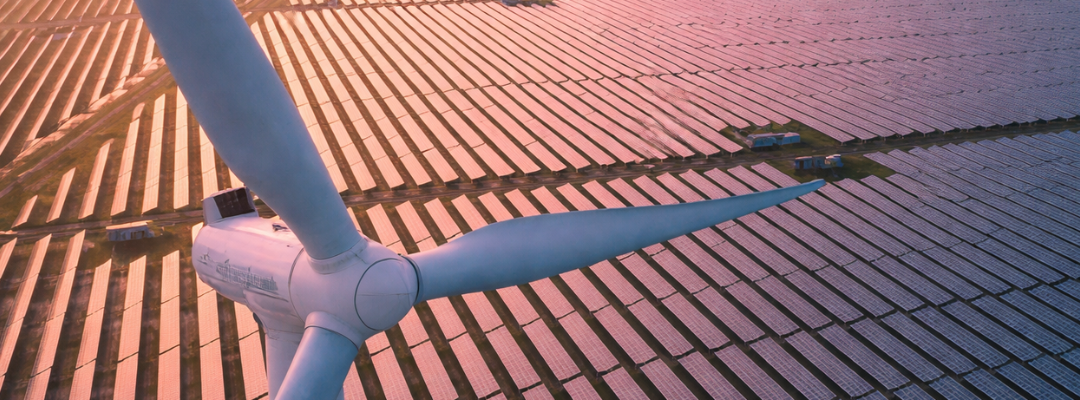
In today’s rapidly evolving energy landscape, simply generating power is no longer enough—efficient energy planning is the key to long-term sustainability and cost savings.
At Synergy Wind Systems, we emphasize a smarter approach to hybrid energy system design: prioritizing essential loads instead of total power demand.
Many conventional systems are oversized because they attempt to meet 100% of total electricity consumption. This often results in higher costs, unnecessary complexity, and underutilized resources. A well-designed hybrid system focuses on what truly matters—keeping critical operations running without interruption.
What Are Essential Loads in a Hybrid Energy System?
Essential loads are the electrical systems and devices that must operate continuously, regardless of power availability or environmental conditions.
Typical Essential Loads Include:
- Lighting and basic electrical circuits
- Fans and ventilation systems
- Refrigerators and cold storage
- Internet routers and communication systems
- Water pumps and essential utilities
- Security and surveillance systems
- Critical industrial or commercial equipment
Non-essential loads, such as air conditioners, washing machines, and entertainment systems, can be operated selectively and do not require constant power backup.
Why Designing for Total Power Demand Is Not Always Practical
Designing a system based on total load demand may seem like a complete solution, but in reality, it often leads to inefficiencies.
Key Limitations:
1. High Capital Investment
Larger systems require more solar panels, wind turbines, inverters, and batteries, significantly increasing upfront costs.
2. Inefficient Energy Utilization
Excess power generated during low-demand periods often goes unused or is wasted.
3. Increased System Complexity
Oversized systems require advanced controls, higher maintenance, and more space.
4. Overdependence on Battery Storage
Meeting total demand at all times requires large battery banks, which are expensive and require regular maintenance.
Benefits of Designing Around Essential Loads
At Synergy Wind Systems, we design systems that are practical, scalable, and efficient by focusing on essential loads.
Reliable Power Supply
Critical systems remain operational even during outages or low energy generation periods.
Cost Optimization
Smaller system size reduces installation, operation, and maintenance costs.
Efficient Energy Management
Energy is distributed based on priority, ensuring optimal usage.
Reduced Battery Requirements
Lower storage capacity is required, making the system more affordable.
Future Scalability
Additional loads can be integrated as your energy needs grow.
Role of Solar and Wind in Essential Load-Based Systems
A hybrid system combining solar and wind energy provides a continuous and balanced power supply.
Solar Energy Contribution
- Generates power during daylight hours
- Supports peak daytime consumption
- Reduces dependence on the grid
Wind Energy Contribution
- Generates electricity during nighttime and low sunlight conditions
- Compensates for solar power fluctuations
- Ensures uninterrupted operation of essential loads
Combined Advantage
- 24/7 energy availability
- Improved system stability
- Lower reliance on batteries and backup systems
Step-by-Step Approach to Designing an Efficient Hybrid System
At Synergy Wind Systems, we follow a structured and proven methodology:
Step 1: Identify Essential Loads
Determine which appliances and systems must operate continuously.
Step 2: Calculate Energy Requirements
Analyze wattage and daily energy consumption of each essential load.
Step 3: Understand Usage Patterns
Evaluate when energy is required—daytime, nighttime, or continuous operation.
Step 4: Assess Renewable Resources
Study solar radiation and wind availability at your location.
Step 5: Optimize System Size
Design solar panels and wind turbines specifically for essential loads.
Step 6: Design Battery Backup
Include only the required battery capacity to maintain efficiency and reduce cost.
Step 7: Plan for Expansion
Ensure the system can be upgraded to support additional loads in the future.
Applications of Essential Load-Based Hybrid Systems
Residential Use
Maintain uninterrupted power for lighting, refrigeration, and communication systems.
Commercial Spaces
Ensure continuous operation of billing systems, lighting, and security infrastructure.
Industrial Operations
Prevent downtime by powering critical machinery and processes.
Rural and Off-Grid Areas
Provide reliable electricity where grid supply is limited or unavailable.
Why Choose Synergy Wind Systems?
Proven Expertise
We specialize in designing solar-wind hybrid systems tailored to real-world requirements.
Customized Solutions
Every project is designed based on your essential load profile and location.
Cost-Effective Designs
We focus on maximizing efficiency while minimizing investment.
Advanced Technology Integration
Our systems include modern monitoring, forecasting, and control solutions.
Long-Term Reliability
We deliver durable and sustainable energy systems built for the future.
Common Mistakes to Avoid
- Ignoring load prioritization
- Oversizing the system unnecessarily
- Not considering wind energy as a complementary source
- Failing to account for seasonal variations
- Lack of proper system monitoring
Avoiding these mistakes ensures optimal performance and long-term savings.
Future of Hybrid Energy System Design
The renewable energy industry is evolving rapidly with innovations that enhance system intelligence and efficiency.
Emerging Trends:
- Smart load management systems
- AI-based energy forecasting
- IoT-enabled monitoring platforms
- Modular and scalable hybrid systems
At Synergy Wind Systems, we stay at the forefront of these advancements to deliver cutting-edge solutions.
Conclusion
Designing a hybrid energy system around essential loads is a smarter and more practical approach than focusing on total power demand.
It ensures:
- Reliable and uninterrupted power
- Lower system costs
- Better efficiency and performance
- Sustainable long-term energy solutions
With expert planning and execution from Synergy Wind Systems, you can achieve energy independence while optimizing your investment.
Call to Action
Ready to build a smarter energy system?
Contact Synergy Wind Systems today for a customized hybrid energy solution designed around your essential power needs.
FAQs
What is an essential load in an energy system?
Essential loads are critical devices that must operate continuously, even during power outages.
Can I expand my hybrid system later?
Yes, hybrid systems are scalable and can be upgraded based on future needs.
Is this approach suitable for small homes?
Yes, it is ideal for reducing costs while ensuring reliable backup power.
Do hybrid systems always require batteries?
Yes, but the required capacity is much lower when focusing on essential loads.