
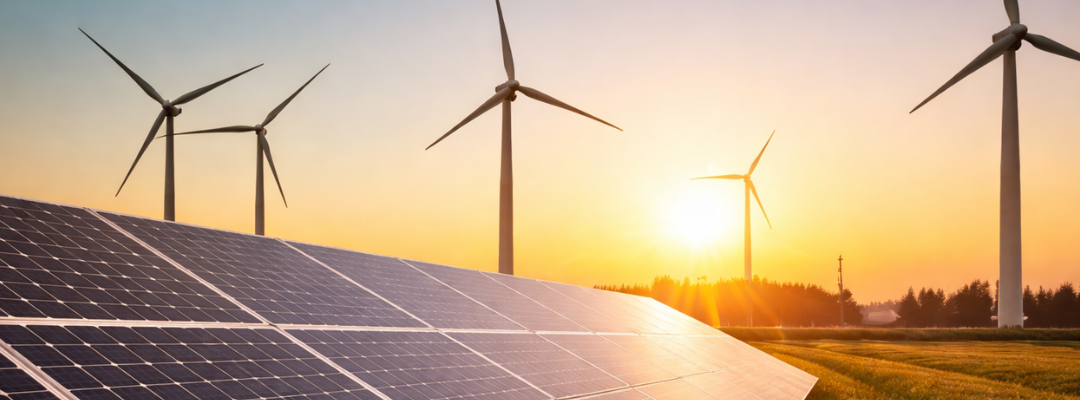
Renewable energy is no longer just an alternative—it is becoming the backbone of modern power systems. However, one common concern remains: how can energy be reliable when sources like solar and wind are naturally variable?
The answer lies in combining both sources. Solar and wind energy complement each other in a way that ensures a more stable, continuous, and efficient power supply throughout the day and across different seasons.
This article explains how these two renewable sources work together and why hybrid systems are essential for the future of sustainable energy.
Understanding Solar and Wind Energy Behavior
Solar Energy: Predictable Daytime Generation
Solar power systems generate electricity when sunlight is available. Their performance depends on:
- Sunlight intensity
- Time of day
- Weather conditions
- Seasonal daylight duration
Solar energy peaks during midday and performs best in summer months when days are longer and skies are clearer.
Wind Energy: Complementary and Variable
Wind energy depends on atmospheric conditions such as pressure differences and temperature changes. Unlike solar, wind patterns are often stronger:
- During nighttime
- Early mornings and evenings
- During monsoon and winter seasons
This difference in behavior makes wind energy a natural complement to solar power.
Daily Energy Balance: Solar by Day, Wind by Night
One of the most important advantages of combining solar and wind is their ability to balance energy production over a 24-hour cycle.
Daytime Energy Supply
- Solar panels generate maximum electricity during daylight
- Energy demand is often higher due to cooling and industrial usage
- Wind contribution may be lower in hot daytime conditions
Nighttime Energy Supply
- Solar generation stops completely after sunset
- Wind speeds typically increase due to temperature variations
- Wind turbines continue producing electricity
Result: Continuous Power Availability
By integrating both energy sources:
- Power generation continues day and night
- Energy gaps are minimized
- Grid stability is improved
Seasonal Balance: Natural Energy Optimization
Seasonal variations can significantly affect renewable energy output. However, solar and wind naturally balance each other throughout the year.
Summer Season
- Longer days increase solar energy production
- Clear skies improve efficiency
- Wind speeds may reduce in some regions
Monsoon and Winter Seasons
- Cloud cover reduces solar output
- Wind speeds increase due to weather systems
- Wind energy compensates for reduced solar generation
Year-Round Reliability
This seasonal complementarity ensures:
- Consistent annual energy production
- Reduced dependency on backup power sources
- Efficient utilization of renewable infrastructure
Benefits of Solar-Wind Hybrid Systems
1. Improved Energy Reliability
Combining solar and wind reduces fluctuations and ensures a steady energy supply.
2. Reduced Energy Storage Needs
Hybrid systems lower dependence on batteries, reducing system costs.
3. Higher Efficiency
Energy generation becomes more balanced and predictable.
4. Lower Carbon Footprint
Maximizing renewable usage reduces reliance on fossil fuels.
5. Cost Savings Over Time
Better resource utilization leads to long-term financial benefits.
Applications of Hybrid Renewable Systems
Solar-wind hybrid systems are widely used across various sectors:
- Utility-scale power generation
- Industrial and commercial facilities
- Residential energy systems
- Rural electrification projects
- Off-grid and microgrid solutions
These systems are especially beneficial in regions with both strong sunlight and consistent wind patterns.
Challenges in Solar-Wind Integration
While highly effective, hybrid systems require:
- Proper site selection
- Advanced forecasting tools
- Grid infrastructure upgrades
- Initial investment planning
With advancements in technology, these challenges are becoming easier to manage.
Future of Solar and Wind Hybrid Systems
The future of renewable energy lies in smart integration. Key innovations include:
- AI-based energy forecasting
- Smart hybrid inverters
- Integrated battery storage systems
- Decentralized energy grids
These advancements will further enhance the efficiency and reliability of hybrid renewable systems.
FAQs
What is a solar-wind hybrid system?
A system that combines solar panels and wind turbines to generate electricity more consistently.
Why is wind stronger at night?
Temperature differences between land and air increase wind speeds during nighttime.
Can hybrid systems reduce electricity bills?
Yes, they improve efficiency and reduce reliance on grid electricity.
Are hybrid systems suitable for homes?
Yes, especially in areas with both sunlight and wind availability.