
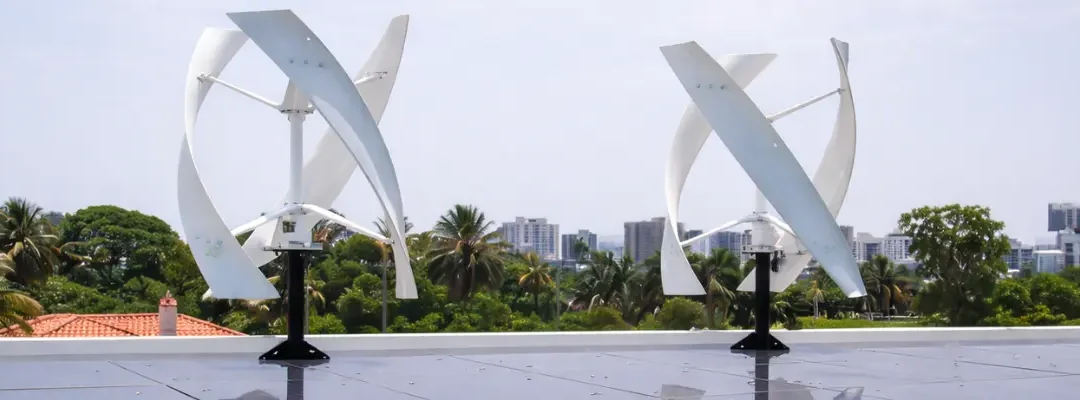
Synergy Wind Systems approaches every hybrid project with one practical question first: where should the system be installed so that solar and wind can actually perform usefully, safely, and with manageable maintenance?
That is why layout selection is one of the most important parts of a solar wind hybrid system. Many users focus only on system size, battery capacity, or cost. But in real projects, the success of a hybrid energy system often depends just as much on the installation format.
A site may support:
- Rooftop Solar With Rooftop-supported Wind
- Rooftop Solar With A Separate Wind Tower
- Fully Ground-mounted Solar And Wind
- A Mixed Arrangement Based On Space And Structure
Each layout has different effects on:
- Wind Quality
- Solar Exposure
- Safety
- Structure
- Maintenance Access
- Wiring Complexity
- Long-term Performance
This guide explains how to choose between rooftop, tower, or ground-mounted layouts for a solar + wind hybrid system, where each option makes sense, and what should be checked before finalizing the design.
Why Layout Selection Is Critical in Hybrid Systems
Solar panels and wind turbines require very different environmental conditions:
- Solar panels need maximum sunlight exposure
- Wind turbines need steady, unobstructed airflow
If either component is poorly positioned, the overall system performance drops. That is why selecting the right installation layout is essential for maximizing energy output.
Rooftop Hybrid Systems
Rooftop installations are widely used, especially for residential and small commercial properties.
Advantages
- Utilizes existing building space
- Lower installation cost
- Quick setup and easy integration
- Ideal for solar panel placement
Limitations
- Wind flow is often turbulent and inconsistent
- Not suitable for large wind turbines
- Structural strength of the building must be evaluated
Best Use Cases
- Homes and small offices
- Solar-dominant hybrid systems
- Locations with limited land availability
Tower-Mounted Hybrid Systems
Tower installations are designed to capture stronger and more stable wind at higher altitudes.
Advantages
- Access to higher wind speeds
- Reduced turbulence compared to rooftops
- Higher efficiency for wind energy generation
Limitations
- Higher installation and engineering costs
- Requires open space and regulatory approvals
- Needs proper structural design and safety measures
Best Use Cases
- Rural and semi-urban areas
- Industrial projects
- Sites with strong and consistent wind flow
Ground-Mounted Hybrid Systems
Ground-mounted systems offer flexibility in positioning both solar panels and wind turbines for optimal performance.
Advantages
- Ideal tilt and orientation for solar panels
- Better placement options for wind turbines
- Easier maintenance and expansion
- Suitable for large-scale installations
Limitations
- Requires adequate land area
- Moderate to high installation cost
Best Use Cases
- Farms and large properties
- Industrial and commercial projects
- Long-term scalable energy systems
Layout Comparison: Which One Is Right for You?
| Factor | Rooftop | Tower | Ground-Mounted |
|---|---|---|---|
| Cost | Low | High | Medium |
| Solar Efficiency | High | Medium | High |
| Wind Efficiency | Low | High | Medium to High |
| Space Requirement | Minimal | Moderate | High |
| Scalability | Limited | Moderate | Excellent |
How to Choose the Right Hybrid System Layout
At Synergy Wind Systems, we recommend evaluating these key factors:
1. Space Availability
Limited space favors rooftop systems, while larger areas support ground-mounted or tower installations.
2. Wind Conditions
Strong and consistent wind supports tower-based systems, while low-wind areas are better suited for solar-focused setups.
3. Budget Planning
Rooftop systems are cost-effective, while tower and ground-mounted systems offer higher long-term returns.
4. Energy Requirements
Smaller needs can be met with rooftop systems, while higher demand benefits from ground or tower installations.
Importance of Wind Assessment
Adding wind energy to your system can improve performance but only if your location supports it.
Without proper wind assessment, you may face:
- Low energy output
- Increased system costs
- Poor return on investment
When Should You Include Wind in Your System?
Wind energy is a valuable addition when:
- Your site has consistent wind flow
- You need power during nighttime
- You want to reduce battery dependency
If wind conditions are not suitable, a solar-only system may be more efficient and cost-effective.
Common Mistakes to Avoid
- Installing turbines in low-wind or obstructed areas
- Choosing rooftop wind systems without proper analysis
- Ignoring seasonal wind variations
- Overspending on unnecessary system capacity
Avoiding these mistakes can significantly improve system performance and reduce costs.
Why Choose Synergy Wind Systems?
Expert Consultation
We provide accurate site analysis and layout recommendations.
Customized System Design
Each system is tailored to your location, energy needs, and budget.
Performance-Focused Approach
We optimize both solar and wind components for maximum output.
Reliable and Scalable Solutions
Our systems are built for long-term efficiency and future expansion.
FAQs
Which layout is best for a hybrid system?
It depends on your space, wind conditions, and energy requirements.
Can wind turbines be installed on rooftops?
Small turbines can be installed, but performance is usually limited due to turbulence.
How do I check wind availability at my location?
You can use wind data, observe environmental indicators, or request a professional assessment.
Is a hybrid system better than solar alone?
Yes, if your site has sufficient wind, it improves reliability and reduces energy gaps.