
Wind energy is not just one thing. Some wind systems are built to power a single site, while others are built to supply large amounts of electricity to the grid. In India, both have an important role to play. The difference is not only about turbine size. It is also about how the system is used, where it is installed, and who it is built for.
What is small wind?
In India, small wind turbines are generally considered systems with a rated capacity of up to 100 kW, according to NIWE material on small wind energy systems. These systems are used for local applications such as rural electrification, telecom towers, water pumping, community lighting, and grid-tied or hybrid setups.
In simple words, small wind is made for local power needs. It is usually installed close to the place where the electricity will be used.
What is large wind?
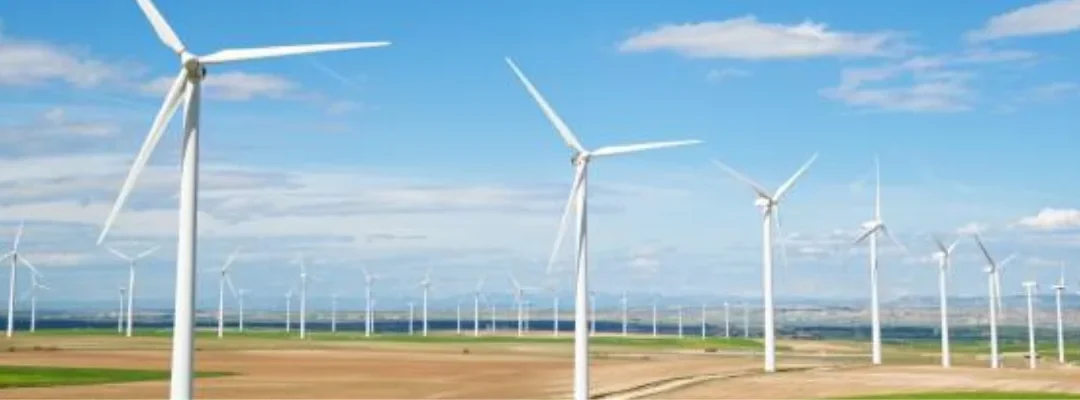
Large wind usually means utility-scale wind projects that are built to generate power at a much larger scale and feed it into the grid. India’s wind sector is mainly known for these larger projects, and MNRE describes wind development in terms of wind resource assessment, site identification, and large-scale deployment across states with strong wind potential. The National Wind-Solar Hybrid Policy also clearly refers to large grid-connected wind-solar systems, which reflects how large wind is generally planned and used.
In simple words, large wind is built for bulk power generation, not just for one building or one local site.
The main difference between small wind and large wind
1. Size and power output
The first difference is size. Small wind systems in India are usually up to 100 kW, while large wind projects operate at a much bigger scale and are part of utility or large commercial power infrastructure.
A small wind system may help power a farm, telecom site, campus, or remote load. A large wind project is built to generate electricity for the wider grid and a much greater demand.
2. Purpose
Small wind is usually used to support on-site energy needs. It can help lower power costs, reduce diesel use, and improve reliability in the right location. NIWE specifically lists applications such as water pumping, telecom towers, and rural electrification.
Large wind is mainly used for grid supply. Its goal is to generate renewable electricity at scale and support India’s overall clean-energy capacity.
3. Location
Small wind is installed where the energy is needed or very close to it. That can include farms, institutions, remote sites, commercial campuses, and hybrid renewable systems.
Large wind is usually installed in high-wind zones with enough land, strong wind resources, and access to evacuation infrastructure. MNRE notes that wind is intermittent and site-specific, and that proper wind resource assessment is essential before site selection.
4. Grid connection
Some small wind systems can be grid-tied, but many are designed to serve local loads directly or work in hybrid systems with solar and batteries. NIWE includes both grid-tied and hybrid applications under small wind use cases.
Large wind is usually designed around a grid connection from the start. It depends on transmission access and broader power infrastructure to deliver electricity at scale. The national hybrid policy also focuses on efficient use of land and transmission infrastructure for large grid-connected projects.
5. Project complexity
A small wind project is usually simpler than a utility-scale wind farm, but it still needs the right site study, system design, and load matching. It is not a product that should be installed without checking the local wind conditions. MNRE’s wind overview makes clear that site assessment is essential because wind performance depends heavily on location.
Large wind projects are more complex. They involve larger land use, bigger infrastructure, wider approvals, grid planning, and large-scale project development.
When does small wind make sense?
Small wind makes sense when a site has:
good wind resource, a real local power need, and a reason to improve reliability or reduce diesel or grid dependence. In India, NIWE has identified uses such as telecom towers, water pumping, community lighting, and rural electrification.
Small wind can also make strong sense in a wind-solar hybrid system, because wind and solar can complement each other. India’s National Wind-Solar Hybrid Policy says hybridization can reduce variability and improve the use of land and infrastructure.
When does large wind make sense?
Large wind makes sense when the goal is to generate large amounts of renewable electricity and supply it to the grid. This is the model behind most of India’s wind capacity growth. MNRE reports that India’s installed wind power capacity has risen to 55.13 GW, showing how important utility-scale wind already is in the country’s energy mix.
In short, large wind fits national-scale energy needs, while small wind fits site-level energy needs.
Small wind and large wind are not rivals
It is easy to think one is better than the other, but that is the wrong way to look at it. Small wind and large wind solve different problems. Small wind helps where power is needed on-site or near-site. Large wind helps add renewable electricity to the wider grid.
India needs both kinds of solutions. Large wind supports national renewable energy growth, while small wind can support farms, remote sites, telecom locations, campuses, and hybrid systems in the right places.