
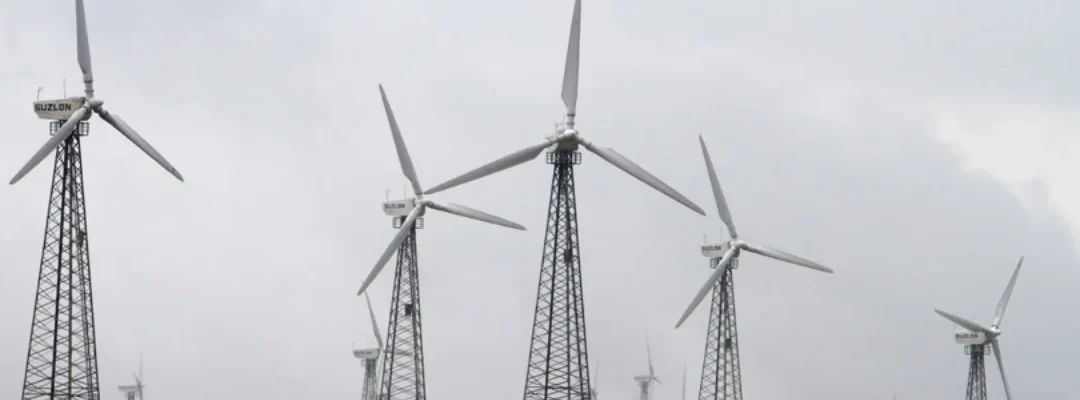
India needs more clean energy solutions that can help people earn, work, and grow local businesses. That is where DRE comes in. DRE means Decentralised Renewable Energy. These are energy systems that work close to the user instead of depending only on big power plants far away. In 2022, the Ministry of New and Renewable Energy released the Framework for Promotion of Decentralised Renewable Energy Livelihood Applications to help expand these systems across the country, especially in rural and remote areas.
This framework is important for small wind because it gives small wind a place inside India’s livelihood-focused renewable energy plans. The framework says DRE livelihood applications can be powered by solar, wind, micro-hydro, biomass, and their combinations. It also says these systems can work in hybrid mode with the grid, as long as they can also run in off-grid mode when needed.
That is a big step for small wind. Small wind is often discussed as a niche technology, but under this framework, it becomes part of a larger effort to support jobs, rural businesses, and local development. The framework’s main objective is to build an enabling ecosystem for the wide adoption of DRE for sustainable livelihoods in India.
Why this matters for small wind
Small wind in India is still a small market. WRI India says the installed capacity of small wind turbines and small wind-solar hybrid systems in India is only about 3.3 to 5 MW. That means the sector has not yet grown at the same speed as solar or large wind power. Because of that, policy support matters a lot. When a national framework clearly includes wind in livelihood applications, it gives small wind more visibility and a better path for future use.
Small wind fits well in DRE because it works close to the place where power is needed. WRI India says small wind turbines can be used as stand-alone or grid-connected units, can work in hybrid systems, and are part of distributed renewable energy. The same report also says small wind can help provide reliable electricity in remote areas and improve energy security.
The framework supports real livelihood use
The 2022 framework is not only about electricity. It is about using renewable energy to support real work and income. The document says DRE livelihood systems can be used for activities such as dryers, mills, cold storage, charkhas, looms, and other tools that help people earn a living. It also says there is a need to scale up current DRE livelihood applications and support the development of new ones.
This is where small wind can benefit. Small wind is not useful only for making electricity for a building. It can support water pumping, local machines, agro-processing, and hybrid systems in places where wind conditions are suitable. WRI India notes that past small wind schemes in India included targets for uses such as water pumping and grinding, which shows that small wind already has a connection with livelihood activities.
It supports hybrid systems
One of the strongest parts of the framework is that it supports combinations of renewable energy sources, not only one source at a time. This is helpful for small wind because small wind often works better when it is combined with solar. The framework itself includes systems powered by renewable energy combinations, and WRI India says small wind offers benefits in hybrid mode, especially with solar, because wind and solar can complement each other across seasons and different times of day.
For many rural or remote users, this matters a lot. A hybrid system can give more dependable power than a single-source system. So the framework supports not only small wind alone, but also one of the best ways to use small wind in real projects.
It supports pilots and field projects
The framework says pilot projects and field demonstrations are very important for new DRE livelihood applications. It mentions sectors such as textiles, animal husbandry, agriculture, carpentry, pottery, cottage industry, and food-related work. It also says an evidence-based approach should be used to scale up technologies that show social, economic, and environmental value.
This is helpful for small wind because one of the biggest challenges in the sector is proving where it works well. Small wind is very site-based. It does not fit every place. Pilot projects can help show where small wind works, how much value it brings, and what kinds of local businesses can benefit from it. That kind of real project experience can build confidence for future adoption.
It improves access to finance
Money is one of the biggest barriers to small wind. The framework directly addresses this. It says DRE-powered livelihood solutions are capital-intensive, so financing for end-users and enterprises is critical. It proposes support such as a first-loss default guarantee, partial risk coverage, easier access to credit, possible collateral-free financial products, and support through existing channels like MUDRA and PMEGP.
This matters for small wind because many users may like the idea of a wind system, but the upfront cost can stop them. If finance becomes easier, more users can consider small wind for livelihood use. This is especially important for micro-businesses, rural users, women’s groups, and small enterprises that cannot carry high initial costs on their own.
It supports standards, quality, and long-term performance
A good policy does more than promote adoption. It also tries to improve quality. The framework says there should be support for quality control standards, testing protocols, and monitoring and evaluation. It also says that after-sales service should be encouraged, and a monitoring platform should be developed to track long-term performance.
This is very important for small wind. Buyers need confidence that the system will work well over time. Lenders also need confidence before they finance projects. Better standards and stronger monitoring can help the small wind sector become more trusted and more professional.
It supports local skills and service networks
Small wind systems need people who can install, operate, and maintain them. The framework clearly supports skill development and capacity building. It says DRE livelihood applications can create local jobs in installation, fabrication, operations, maintenance, after-sales service, and repair. It also talks about linking training with existing programmes and institutions.
This support is very useful for small wind. A turbine is not enough by itself. It also needs service, repair, and technical support after installation. When local skills improve, small wind projects become easier to maintain and more practical for users in rural and remote places.
What the framework really does for small wind
The 2022 DRE Livelihood Framework does not say that every livelihood project should use small wind. It also does not create a special small-wind-only programme. But it does something very important. It puts small wind inside a bigger national system that supports local clean energy, income generation, finance, pilots, standards, skills, and hybrid models.
For a small sector like small wind, this kind of policy support matters a lot. It helps create the right environment for growth. It tells the market that wind is a valid DRE livelihood option. It opens the door for more projects, better business models, and stronger use in rural India