
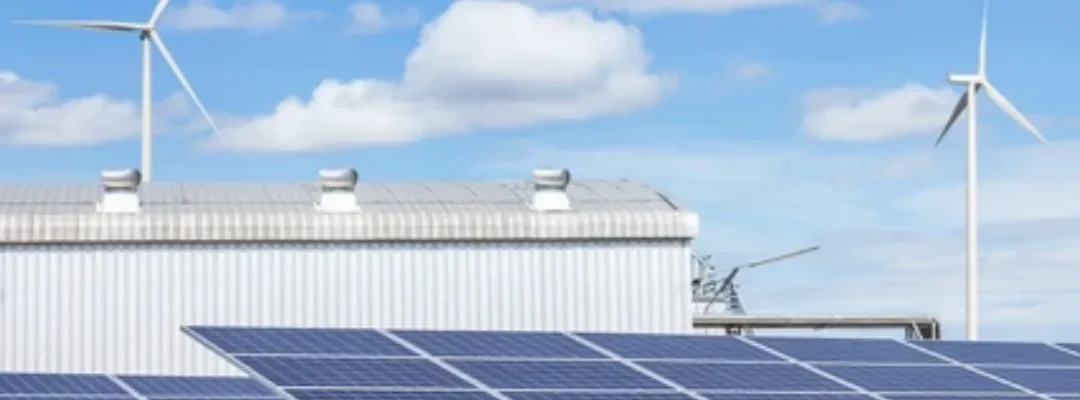
A hybrid wind-solar system uses both wind power and solar power in one setup. This helps give more stable power than using only one energy source.
Why reliability matters
Reliability means having power when you need it. For many sites, power must be available for daily work. If power stops, it can affect machines, lights, pumps, telecom equipment, and other important systems.
This is why reliability is very important.
Wind and solar work at different times
Solar panels make power when the sun is strong, mostly during the day.
Wind turbines can make power at different times, depending on the wind. In some places, wind may be stronger in the evening, at night, or during seasons when solar radiation is lower.
This is the main reason a hybrid system is useful.
When solar power is low, wind power may still be available.
When wind power is low, solar power may still be available.
So the system has a better chance of giving power for more hours of the day.
More balanced power supply
A hybrid wind-solar system gives a more balanced power output.
If a site uses only solar power, it drops at night.
If a site uses only wind, power depends only on wind speed.
But when wind and solar work together, the power supply becomes more even. This does not mean power will always stay the same, but it usually becomes more stable than a single-source system.
Better for important sites
Hybrid systems are useful for places that need dependable power, such as:
- telecom towers
- farms
- remote sites
- schools
- campuses
- small industries
- community buildings
These sites may not want to depend on only one source of energy. A hybrid system helps reduce that risk.
Battery storage makes it even better
A hybrid system becomes stronger when a battery is added.
The battery stores extra power when generation is high. Then it can supply power when wind and solar output are low.
This helps improve reliability even more.
In simple words:
- Wind makes power
- Solar makes power
- battery stores extra power
Together, they create a better energy system.
Less dependence on one weather condition
A solar-only system depends on sunshine.
A wind-only system depends on wind.
A hybrid system depends on both, so it is less affected by one condition alone.
This is a big advantage because the weather changes during the day and across seasons.
Good for remote and weak-grid areas
Hybrid wind-solar systems are very useful in places where grid power is weak or not stable.
In these places, the system can help support daily power needs and reduce dependence on diesel or power cuts.
That is why hybrid systems are often a smart choice for remote infrastructure and off-grid locations.
Better use of available resources
A hybrid system also makes better use of the site. Instead of depending on only one renewable source, it uses both wind and sunlight.
This helps improve overall system performance and gives more energy support across different conditions.