
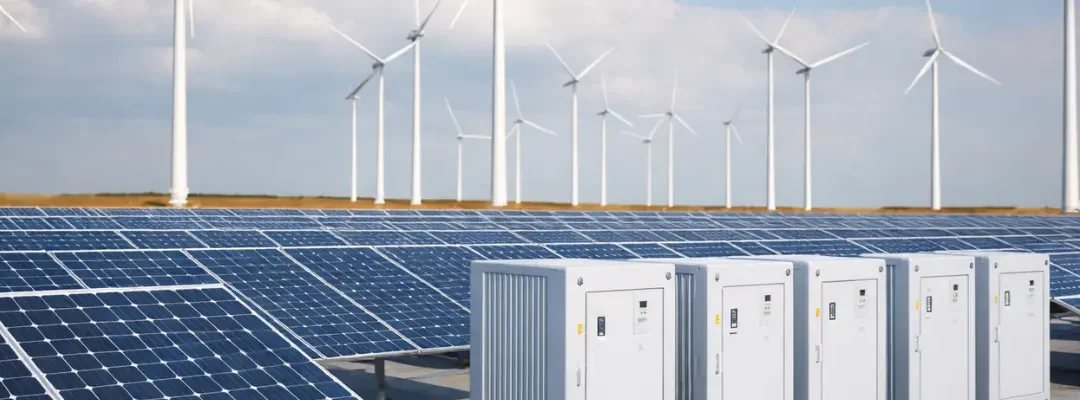
we’ve seen many systems perform below expectations—not because of poor solar panels or wind turbines, but because the backup strategy was not planned correctly.
A hybrid system is not just about generating energy. It’s about ensuring that power is available at the right time, especially when solar and wind are not producing enough.
In this blog, we’ll explain in simple terms:
- When to use battery, grid, or generator backup
- What works best in real-life conditions
- How to choose the right combination for your needs
Why Backup Planning Is Critical in Hybrid Systems
Even a well-designed hybrid system will face periods of low generation:
- At night (no solar power)
- During low wind conditions
- In cloudy or rainy weather
- During sudden high energy demand
Without proper backup, this leads to:
- Power interruptions
- Reduced system efficiency
- Dependence on emergency solutions
That’s why choosing the right backup is just as important as choosing solar or wind capacity.
Battery Backup: Reliable and Automatic
Battery storage is the most common choice for hybrid systems, especially in homes and small businesses.
How It Works in Real Life
During the day, solar panels generate excess electricity. Instead of wasting it, that energy is stored in batteries and used at night or during power cuts.
Where It Works Best
From our experience at Synergy Wind Systems:
- Homes with essential loads (lights, fans, fridge)
- Small offices
- Areas with frequent short power cuts
Practical Benefits
- Instant backup without delay
- No fuel cost
- Silent operation
- Clean and eco-friendly
Limitations to Consider
- Higher upfront cost
- Limited backup duration depending on battery size
- Batteries need replacement after a few years
Grid Backup: Simple and Cost-Effective
If your location has a stable electricity supply, grid backup can be a practical option.
How It Works
When solar and wind energy are not enough, the system automatically takes power from the grid.
Where It Works Best
- Cities and urban areas
- Locations with reliable electricity supply
- Users looking for lower initial investment
Practical Benefits
- No need for large battery systems
- Lower installation cost
- Easy to maintain
Limitations
- No power during grid failure (unless batteries are added)
- Monthly electricity bills still apply
Generator Backup: For Heavy and Critical Loads
Generators are typically used when reliability is more important than cost or sustainability.
How It Works
A diesel or petrol generator starts when both renewable energy and other backup options are insufficient.
Where It Works Best
Based on real installations by Synergy Wind Systems:
- Industries and factories
- Hospitals or critical services
- Areas with long power outages
Practical Benefits
- Can run heavy machinery
- Works for long durations
- Highly reliable
Limitations
- Fuel cost is high
- Noise and pollution
- Requires regular maintenance
What Actually Works in Real Projects
In real-world hybrid systems, a single backup option is rarely enough.
The most effective setups usually combine solutions:
Common Practical Setup
- Solar + Wind for generation
- Battery for daily backup
- Grid or Generator for emergency support
This combination ensures:
- Daily energy independence
- Backup during outages
- Reduced long-term costs
How to Choose the Right Backup for Your System
Instead of choosing randomly, base your decision on real conditions:
Choose Battery If:
- You need silent, automatic backup
- Your load is moderate
- Power cuts are short
Choose Grid If:
- You have reliable electricity supply
- You want a low-cost system
Choose Generator If:
- You run heavy equipment
- You cannot afford downtime
Common Mistakes to Avoid
- Installing only batteries for large loads
- Ignoring grid availability
- Using generators as primary power instead of backup
- Not planning for future energy needs
Avoiding these mistakes improves both performance and cost efficiency.
Why Trust Synergy Wind Systems?
We focus on real performance, not just system installation.
- Practical site-based recommendations
- Customized backup planning
- Balanced hybrid system design
- Long-term performance focus
Our goal is to ensure your system works efficiently every day—not just on paper.
FAQs
What is the best backup option for a hybrid energy system?
The best option is a combination of battery with grid or generator based on your usage and reliability needs.
Is battery backup enough for a hybrid system?
Battery backup is enough for essential loads but may need support for heavy loads or long outages.
Should I choose grid or battery backup?
Choose grid for cost savings and battery for uninterrupted power during outages.
When is a generator needed in a hybrid system?
A generator is needed when you have heavy loads or require backup during long power cuts.
Can I use battery, grid, and generator together?
Yes, combining all three provides the most reliable and flexible backup system.
How can I reduce battery size in a hybrid system?
You can reduce battery size by adding wind energy or using grid support.
Which backup option is the cheapest?
Grid backup is the cheapest initially, while batteries offer better long-term savings.
Do hybrid systems work during power cuts?
Yes, hybrid systems work during power cuts if they include battery or generator backup.
How long can a battery provide backup?
Battery backup duration depends on its capacity and the connected load.