
Small Wind Turbine for Schools and Institutions
Educational and institutional campuses often have regular electricity demand for lighting, offices, hostels, water pumping, and other sharaed services. In the right location, a small wind system can become a practical way to support selected campus loads, reduce dependence on EB supply, and strengthen long-term energy planning.
At Synergy Wind Systems, we are both provider and installer of small wind systems for schools and institutions. We help campuses choose the right solution based on building layout, available installation space, wind conditions, and actual energy needs so the system is planned for practical performance, not just product supply.
A small wind turbine for farm use can be a useful option for farms that want to reduce dependence on EB supply, support essential rural loads, and improve long-term energy planning. The right result depends on the site, the type of farm work, and the actual load the system is expected to support.
A Practical Wind Solution for Educational Campuses
Schools and institutions usually have regular electricity use across classrooms, offices, hostels, common areas, security systems, lighting, and water pumping. Because these properties operate for many years, energy planning is not only about monthly cost — it is also about long-term infrastructure value.
That is where small wind can make sense in the right location. It is not meant to replace every campus load. It works better as a practical support system for selected loads where the site has suitable wind conditions and safe installation possibilities. In the right setting, small wind turbine for institutions can help support this type of long-term operational planning.
At Synergy, we recommend systems only after understanding the campus layout, the surrounding conditions, and the type of load the institution wants to support.
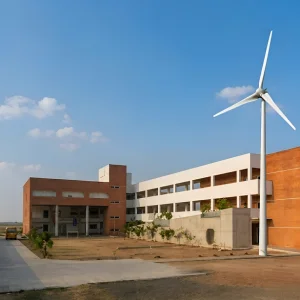
Why Schools and Institutions Consider Small Wind
Supports Cleaner Campus Operations
Wind energy adds a renewable source of power and supports more responsible institutional energy use. This is one reason small wind energy for universities and other larger educational campuses is gaining more attention
Supports Selected Daily Loads
Instead of trying to power everything, wind can be used to support the campus loads that are regular, practical, and worth offsetting. In many cases, small wind power for educational institutions works best when the system is planned around these selected daily loads.
Useful for Long-Term Planning
Educational and institutional campuses often plan with a long-term view. A well-matched wind system can become part of that broader energy strategy.
Helps Reduce Common Electricity Use
A small wind system can support part of the electricity used in common areas, utility services, and shared campus functions.
Suitable for Open Institutional Sites
Open campuses, semi-urban institutions, and rural education sites may offer better conditions for small wind than dense urban properties.
Adds Sustainability Value
A visible renewable energy system can strengthen the environmental image of the campus and support green campus initiatives.
What Loads Can a Small Wind System Supports?
- Corridor And Outdoor Lighting
- Office And Administration Support Load
- Water Pumping
- Cctv And Security Systems
- Hostel Common Area Lighting
- Utility Rooms And Service Building
- Selected Fans And Light Campus Loads
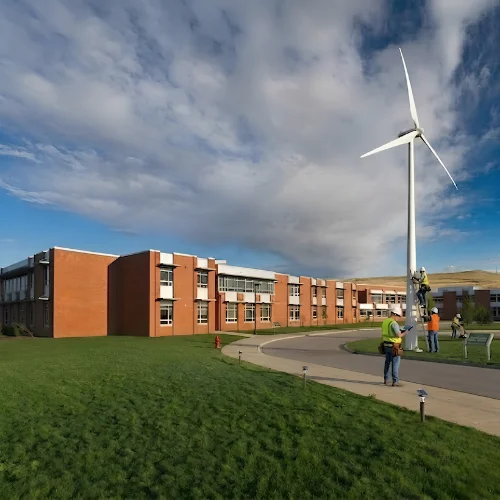
How Small Wind Can Be Used on Campus
Hostel and Service Block Use
Can support selected shared loads in hostels, staff blocks, and service buildings.
Institutional Demonstration Value
For some campuses, wind also adds educational and visibility value by showing a practical renewable energy system in use. In this role, small wind turbines for educational buildings can support both operational and demonstration value at the same time.
Common Area Power Support
Useful for corridors, outdoor pathways, service passages, and other shared electrical points on campus.
Water Pumping and Utility Support
Can help support pumping and selected utility loads where these are part of regular campus operations.
Choose the Right small windmill for schools
The right wind setup for a school or institutional campus should be based on available space, building conditions, safety, and the type of load you want to support. For most campuses, the decision should be looked at in two parts: installation method and turbine type.
Installation Method
Rooftop Installation
Suitable for selected school and institutional buildings where the rooftop is structurally strong and the wind flow is reasonably open. This option may work for supporting selected campus loads such as lighting, water pumping, security systems, and service area use. In some suitable sites, a rooftop small wind turbine for schools may be considered after proper structural and wind review.
Ground-Mounted Installation
A practical option for campuses that have open land and enough safe installation space. This is often more suitable for schools and institutions with unused ground area or rural campus settings where airflow is better.
Turbine Type
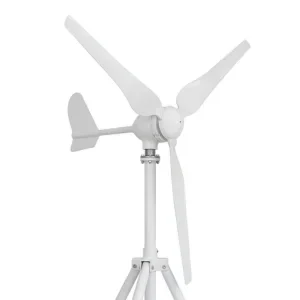
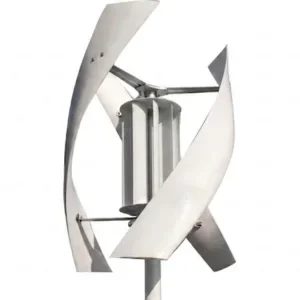
Vertical Axis Wind Turbine
A compact option for selected campus projects where space, appearance, and installation flexibility matter. It may be considered where the site conditions are more constrained and a smaller, more adaptable setup is preferred.
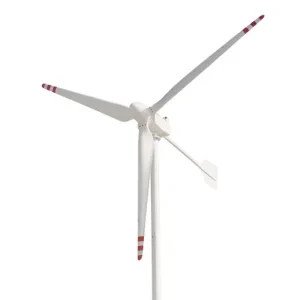
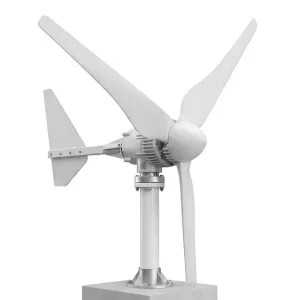
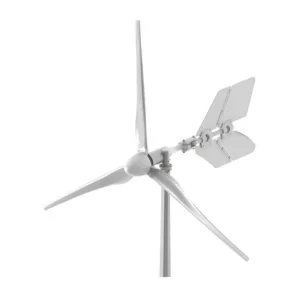
Horizontal Axis Wind Turbine
Often more suitable for open institutional sites where the wind flow is cleaner and more directional. This type is generally considered where the campus has better exposure and the goal is stronger performance.
The right solution should be chosen based on actual campus conditions, available installation space, and the type of load the system is meant to support.
Small Wind Power for educational institutions Capacity Options
Why Choose Synergy for School and Institutional Wind Projects
Site-First Recommendation
We study the campus and the intended load before recommending a system.
Right Sizing Without Overselling
We suggest what fits the project instead of pushing a larger setup without clear need.
Practical Solutions for Real Campus Use
Our focus is on useful, well-matched systems for actual educational and institutional requirements.
Provider and Installer Support
We do not only supply the system. We also support installation planning and project execution for educational and institutional sites.
Quality with Warranty Support
Our systems are selected with reliability and long-term use in mind.
On-Time Product and Installation Support
We follow a planned process for smooth delivery and timely installation.
Pan-India Service Support
We support school and institutional wind projects across India.
FAQ- Small Wind Energy for universities
Can small wind energy work for schools and institutions?
Yes, but only in suitable locations. A campus needs reasonable wind exposure, safe installation space, and a clear idea of which loads the system is meant to support. Small wind is usually more practical for selected support loads than for trying to power an entire campus.
What campus loads can a small wind system support?
Typical support loads may include corridor and outdoor lighting, water pumping, CCTV and security systems, hostel common loads, utility rooms, and selected service-building loads. The exact loads depend on turbine size, wind conditions, and how the institution wants to use the generated power.
Is rooftop installation suitable for school buildings?
Sometimes, but not automatically. Rooftop wind needs structural review, clearance, and turbulence checks because nearby buildings, parapet walls, and other roof features can reduce performance and add structural concerns.
Is ground-mounted installation better for open campuses?
In many cases, yes. Open ground space can provide cleaner airflow and more installation flexibility than a constrained rooftop, which is why site assessment is important before choosing the mounting method.
What size wind turbine is right for a school or institution?
The right size depends on the campus load, the site’s wind resource, and whether the goal is to support a few selected loads or a broader set of shared loads. Small wind systems should be sized to the real demand rather than chosen only by product rating.
How do we know if our campus has enough wind?
That should be confirmed through site assessment. Wind exposure, obstructions, building layout, and local airflow matter a lot. General small-wind guidance often points to annual average wind speeds above about 4 m/s as a useful starting point, though exact suitability depends on the turbine and application.
Can a small wind turbine work in urban educational campuses?
It can in some cases, but dense urban surroundings often create turbulence and wind shadow. Campuses in open, semi-urban, rural, or less obstructed settings are often easier to evaluate positively than tightly packed city sites.
Do schools need a site assessment before installation?
Yes. Small wind standards and site-assessment guidance stress that a competent review should come first, including wind exposure, obstructions, structural suitability, installation safety, and load matching.
How much electricity can a small wind turbine generate for a campus?
There is no single number for every site. Output depends on wind speed, turbine size, mounting height, and local obstructions. Two turbines of the same rated size can perform very differently at two different campuses.
Do small wind systems need regular maintenance?
Yes. Small wind systems are not high-maintenance compared with many mechanical systems, but they still need periodic inspection and servicing to support safe, reliable long-term performance.
Can a small wind system support hostel or common loads?
Yes, that is often one of the more practical use cases. Hostel common lighting, corridor loads, water pumping, security systems, and other shared service loads are usually easier to plan around than trying to offset every classroom or lab load at once.
Can a campus use small wind as an educational demonstration project too?
Yes. In addition to supporting selected loads, small wind can also serve as a visible sustainability and learning asset for students and staff, especially on campuses that want to connect infrastructure with environmental education.