
Small Wind Turbine for Apartment Common Loads
Reduce shared electricity use with a wind system designed for real building conditions. At Synergy Wind System, we help apartment communities, builders, and property managers explore practical small wind solutions for common area loads such as lifts, water pumps, corridor lighting, CCTV systems, and shared electrical facilities.
A small wind power solution for apartment common loads can be a useful option for the right building, especially when the rooftop has good exposure and the common area electricity demand is significant. The best results come from proper site review, realistic system planning, and choosing the right installation approach for the building.
A Practical Energy Option for Shared Apartment Loads
Apartment buildings have a different energy pattern from independent homes. Common area power use continues every day through lifts, pumps, lighting, security systems, and other shared services. This makes common loads an important area for renewable energy planning.
A small wind energy system for apartment common areas can support part of this demand in suitable buildings. It is not the right solution for every apartment block, but where wind exposure, structure, and usage pattern are favorable, it can become a useful part of the building’s energy strategy.
At Synergy, we focus on recommending systems only after understanding the building layout, surrounding conditions, and expected power requirement. This helps housing societies and builders make a more informed decision before investing.
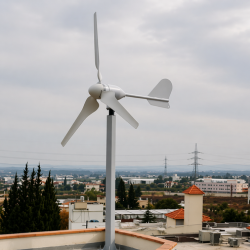
Why Apartment Buildings Consider Small Wind Energy
Useful for Long-Term Building Energy Planning
For housing societies and developers looking at long-term operating cost control, wind can be one part of a broader renewable strategy.
Use Available Rooftop
Where space and wind conditions allow, apartment buildings can make better use of underused installation areas.
Reduce Shared Electricity Costs
For the right building, on-site wind generation can help reduce part of the monthly common area electricity expense over time. In some cases, a small windmill for apartment electricity may help housing societies reduce part of their recurring shared power use.
Support Common Area Loads
A small wind turbine for shared building loads can help support shared power use such as corridor lighting, lifts, pumps, and security-related electrical loads.
Works with Hybrid Energy Planning
A wind setup can also be used with solar and battery systems for a more balanced common-load energy plan.
Support Cleaner Energy Use
A project planned around small wind energy for apartment common loads can add a renewable source of electricity and support greener building operations.
Two Installation Approaches for Apartment Buildings
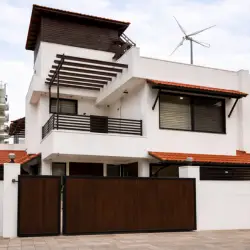
Rooftop Installation
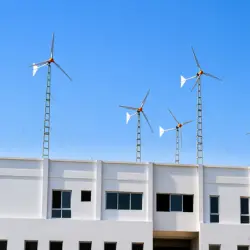
For buildings with accessible and structurally suitable rooftops, a small wind turbine for apartment lighting and lift support can help with shared loads such as corridor lights, water pumps, CCTV systems, and other common area requirements. Rooftop placement may offer better wind exposure than lower parts of the building, but it must always be checked for turbulence, nearby obstructions, and mounting feasibility.
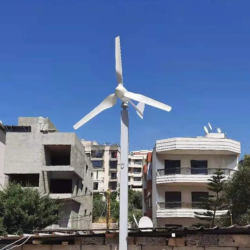
Ground-Mounted Installation
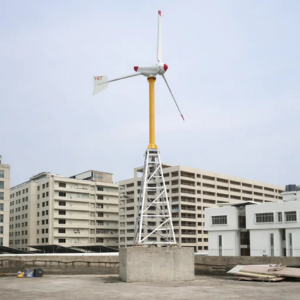
Where the apartment property has open land, setback area, yard space, or available ground near the building, a ground-mounted system may be considered. In some cases, this can offer better airflow and more flexible installation than building-mounted setups. Ground-mounted systems are usually more suitable where the goal is stronger performance and the space is available for safe installation.
What Loads Can a Small Wind System Support?
The exact loads depend on the system size, wind conditions, and building demand pattern. In suitable projects, small wind can be used to support:
- corridor and stairway lighting
- water pumps
- lift support loads
- CCTV and security systems
- common hall lighting
- shared electrical services
Rather than assuming full coverage, it is better to look at wind as part of a practical shared-load reduction plan. In many apartment projects, the most effective use is supporting selected common loads instead of trying to replace all building electricity use. A properly chosen small wind turbine for residential common area power should be matched to actual shared-load demand.
Why Site Feasibility Matters for Apartment Projects
Not every building that looks suitable will perform well with wind.
Before recommending a system, it is important to review:
- rooftop wind exposure
- turbulence caused by nearby buildings
- structural compatibility
- mounting method
- available installation area
- electrical integration requirements
- building load profile
- society approval requirements
This helps identify whether the project is technically suitable and whether wind-only or hybrid planning makes more sense. A proper site assessment reduces guesswork and helps avoid the wrong system choice. It is also important when evaluating a small wind turbine system for apartment usage, because building shape and local wind behavior can strongly affect performance.
Why Housing Societies Choose Synergy for Small Wind Mills
Housing societies choose Synergy for practical system planning, quality products, and dependable project support from start to finish.
Site-First Recommendation
We suggest the right system only after checking the building, wind conditions, and common load requirement.
Right Sizing, No Overselling
We recommend what truly fits the project without pushing unnecessary larger systems.
On-Time Product Delivery and Installation Completion
We follow a planned process to ensure timely product supply and smooth installation completion.
Quality with Warranty Support
Our small wind mill systems are backed by quality standards and warranty confidence.
Complete Project Support
From site review to installation and after-sales guidance, we support housing societies at every stage.
Pan-India Service
We provide support across India for apartment and shared-load wind energy projects.
FAQ- Small Wind Turbine for Flat Common Area Power
Can a small wind turbine for apartment common loads really work in urban buildings?
Yes, it can work in selected apartment buildings where rooftop exposure, building height, and common area load make the project suitable. The actual result depends on site conditions, surrounding obstructions, and proper system planning.
Is a small wind energy system for apartment common areas suitable for every housing society?
No. It is more suitable for buildings that have usable rooftop or wall space, meaningful shared electricity demand, and enough wind exposure. A site assessment helps identify whether the building is a good fit.
How does a small wind power system for flat buildings support shared electricity use?
It can support common loads such as corridor lights, water pumps, CCTV systems, lift-related power support, and other shared electrical requirements. The exact loads depend on the turbine size and site conditions.
Can a small windmill for apartment electricity help reduce monthly maintenance charges?
It can help reduce part of the shared electricity cost over time by generating power on-site for common area use. The actual savings depend on system size, wind conditions, and the building’s existing power consumption.
Is a small wind turbine for shared building loads better than using only grid power?
It is not always a replacement for grid power, but it can be a useful support system in the right building. Many housing societies use it to reduce dependence on grid electricity rather than replace it fully.
Is a small windmill for apartment building loads suitable for lifts, pumps, and corridor lights?
It can be suitable for these loads in the right project, but the system should be sized based on the actual common area requirement. A proper review helps decide which loads are realistic to support.
What should we check before choosing a small wind turbine system for apartment usage?
You should check rooftop or wall suitability, surrounding obstructions, wind exposure, structural strength, common load demand, and whether society approval is needed. These factors decide whether the system will be practical.
Can a small wind energy system for shared electricity be installed without disturbing residents?
A properly planned and correctly installed system should be selected with resident comfort in mind. Mounting method, vibration control, and installation suitability all matter in apartment projects.
Is a small wind turbine for apartment lighting and lift support possible on a rooftop?
Yes, in selected buildings a rooftop installation can be planned to support lighting, pumps, lift-related loads, and other shared services. The exact suitability depends on wind conditions and structural feasibility.
Does a small wind energy system for multi-storey buildings work well in all city locations?
No. Tall surrounding buildings, wind shadow, and highly sheltered urban zones can reduce performance. Multi-storey buildings should always be checked individually before final system selection.
How does a small wind power solution for apartment common loads help housing societies plan better?
It helps housing societies look at shared electricity in a more structured way by adding a renewable source for selected common loads. This can support long-term cost planning and cleaner energy use.
Can a small windmill for housing society electricity be a practical long-term investment?
It can be a practical long-term option when the building is suitable and the common loads are meaningful enough to justify the setup. The value depends on site conditions, project cost, and expected energy support.
Is a small wind turbine for flat common area power better for rooftop use or wall-mounted use?
That depends on the building. Rooftop systems often have better exposure, while wall-mounted systems may be considered where rooftop access is limited. The right choice should always come after a feasibility review.